


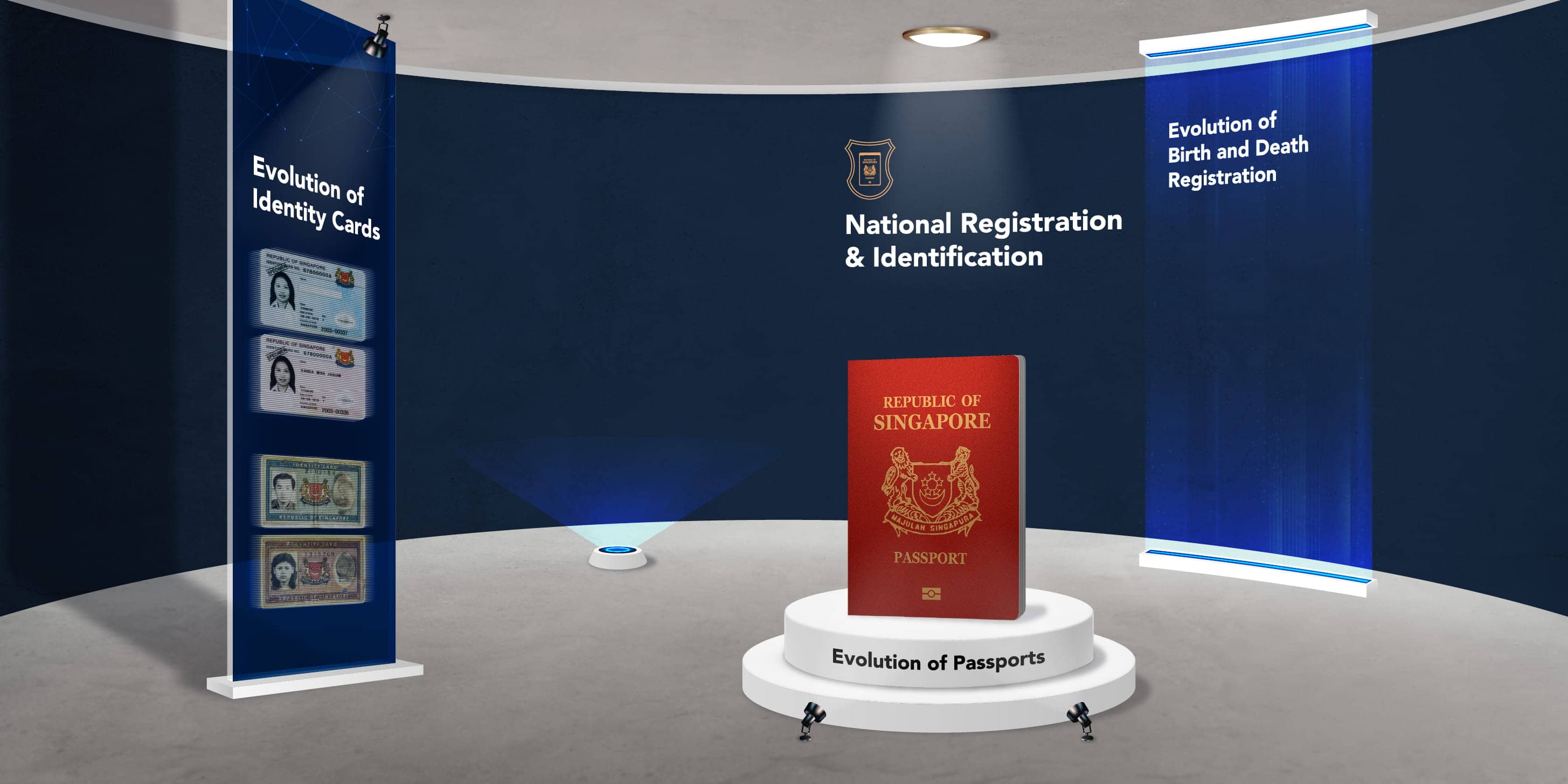
 National Registration & Identification
Evolution of Passports
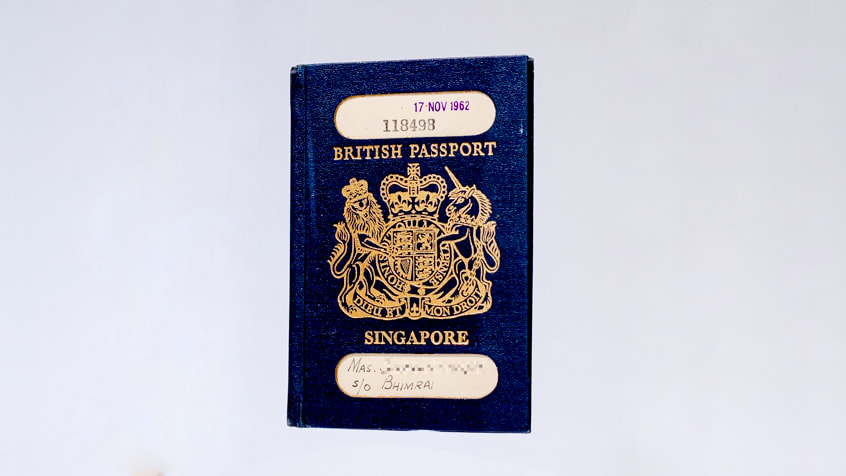
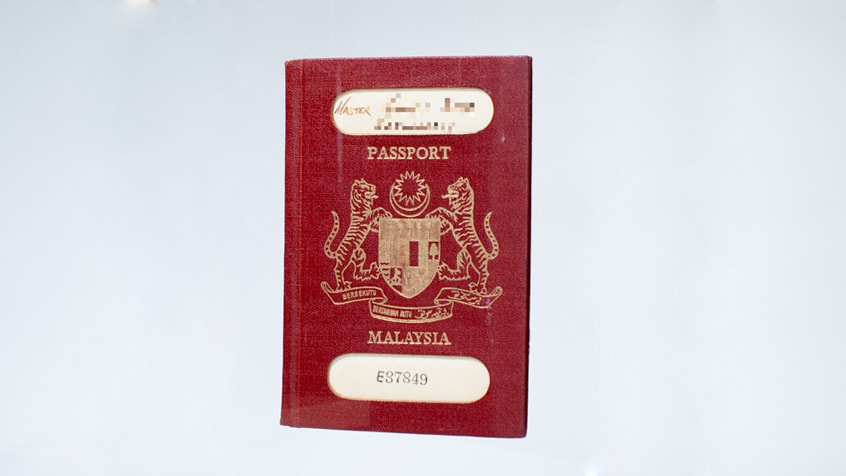
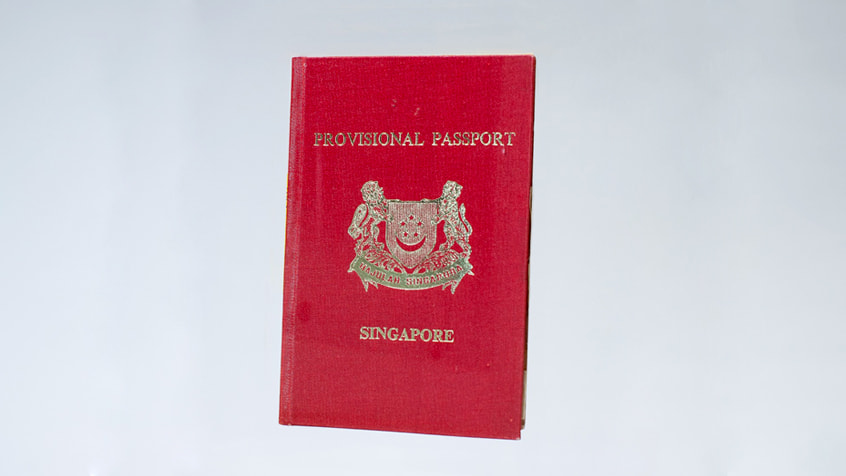
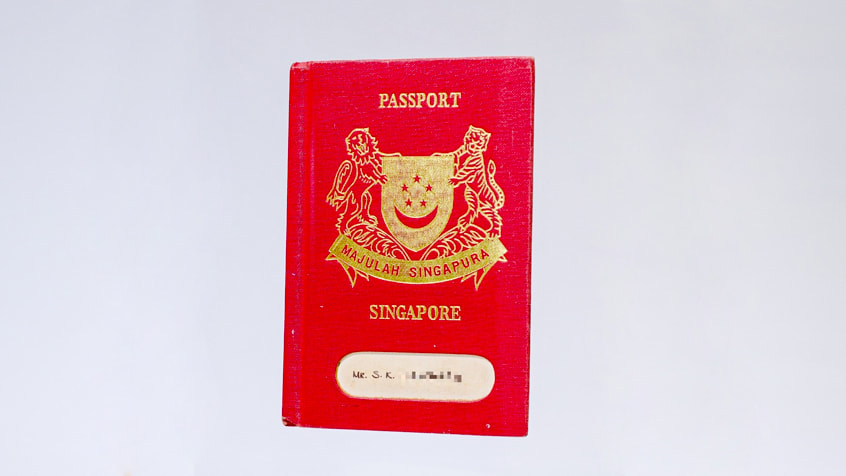
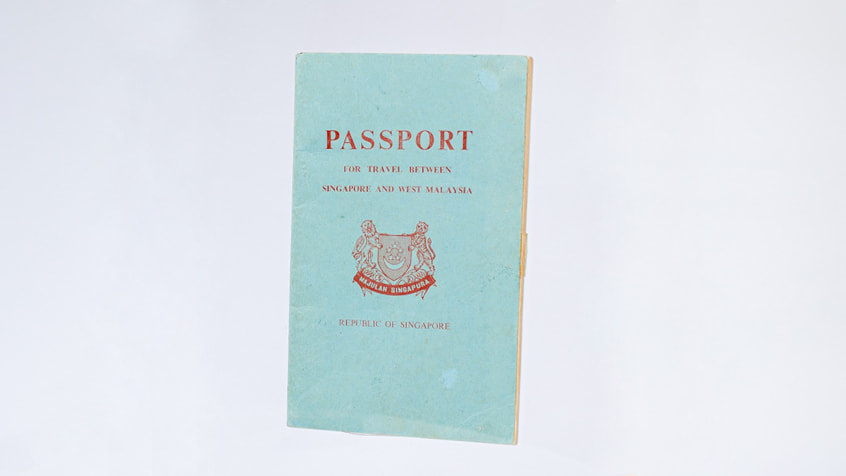
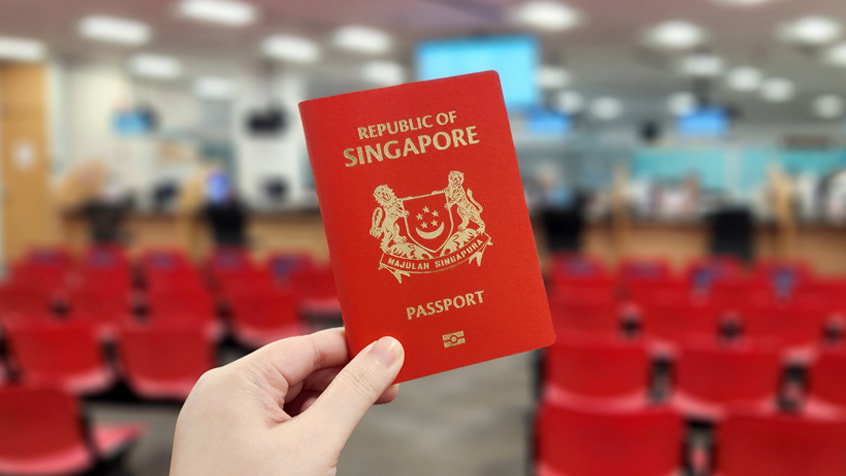
The restricted passports took on a light blue format on 22 May.
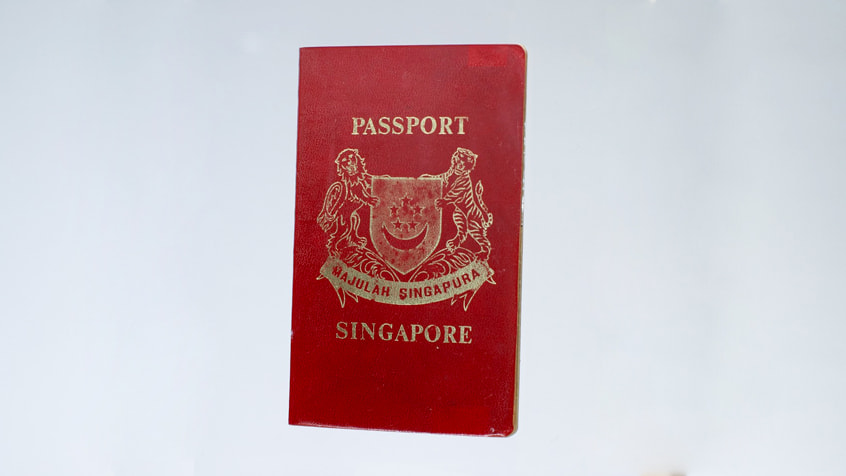
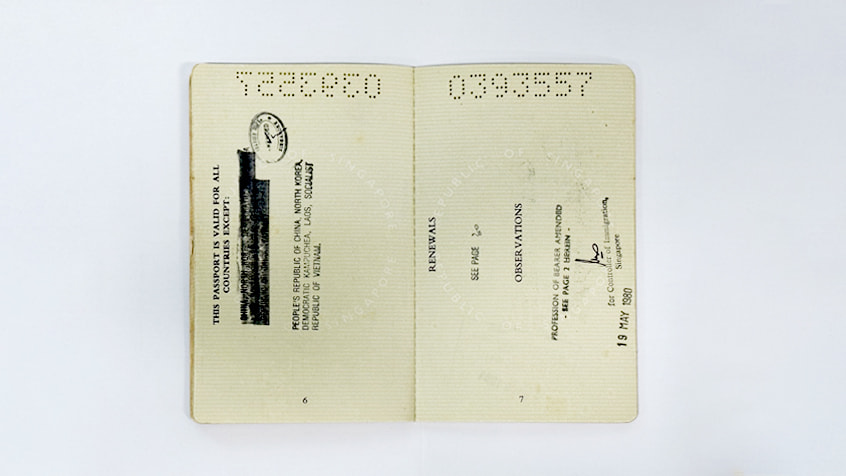
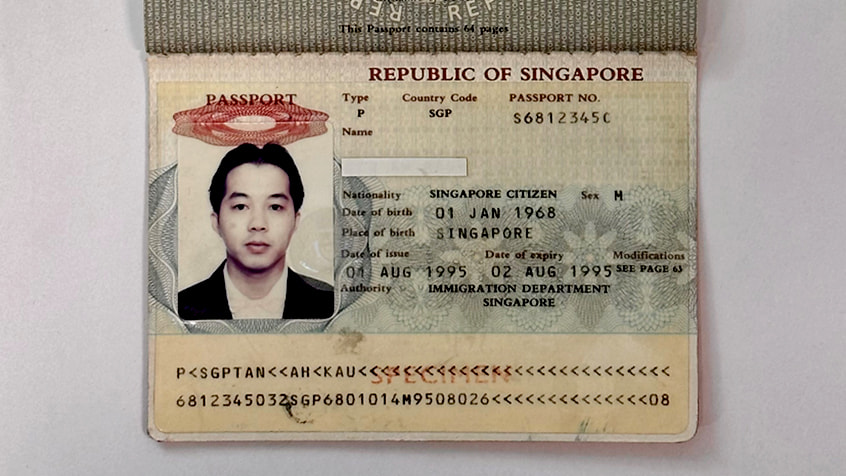
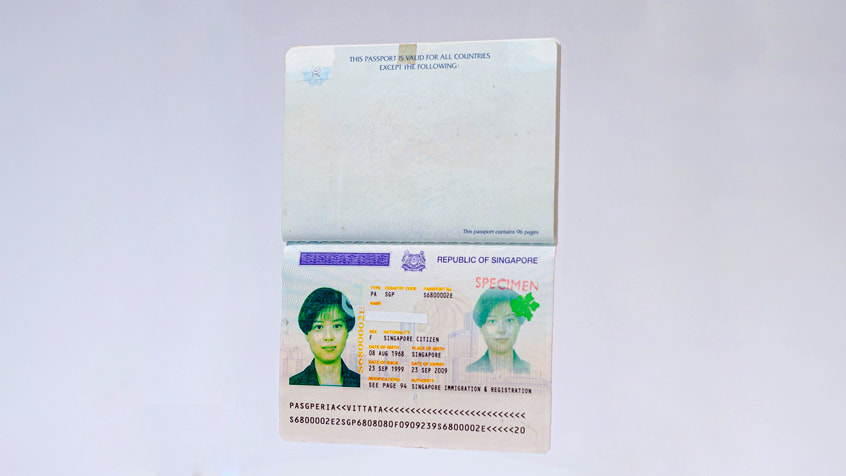
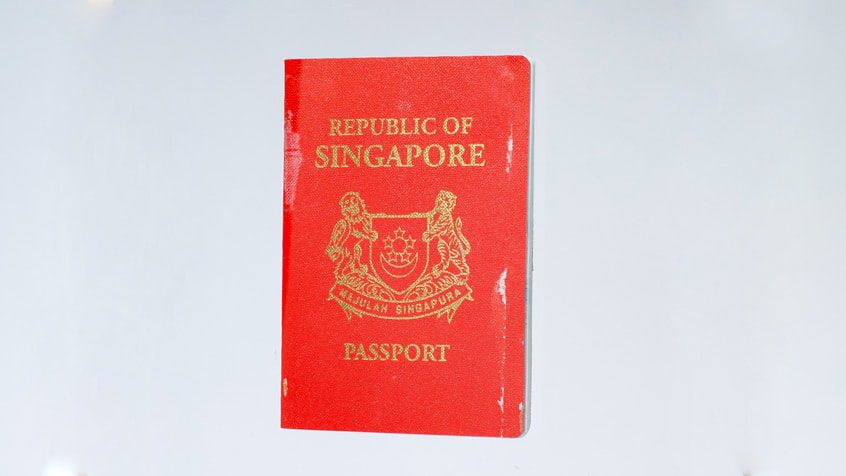
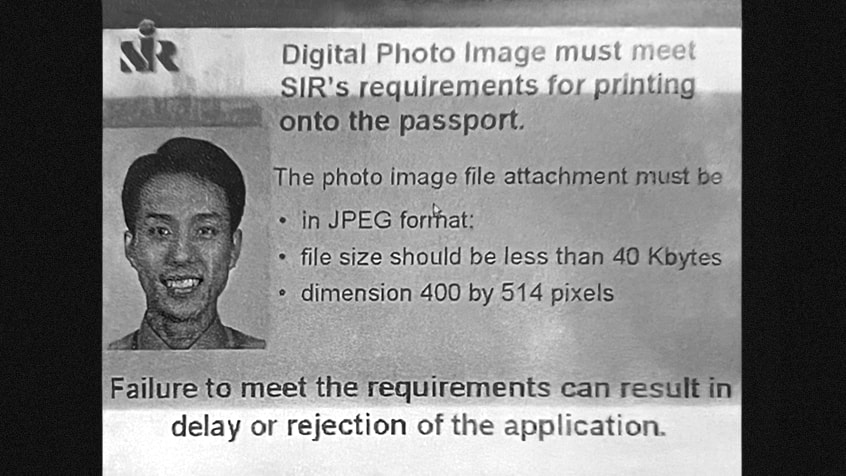
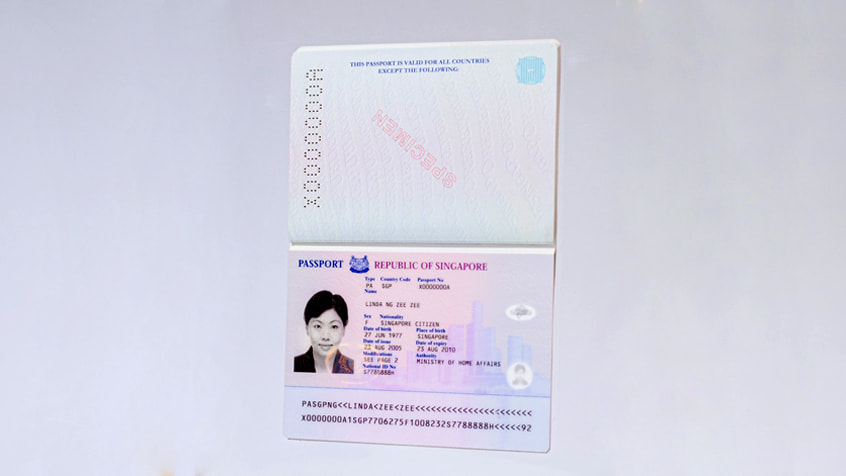
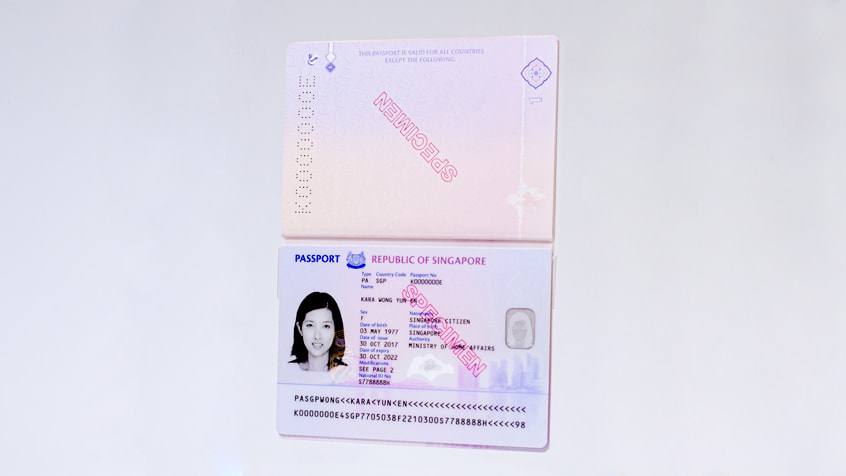
Read more on the additional security features here.
Evolution of Identity Cards
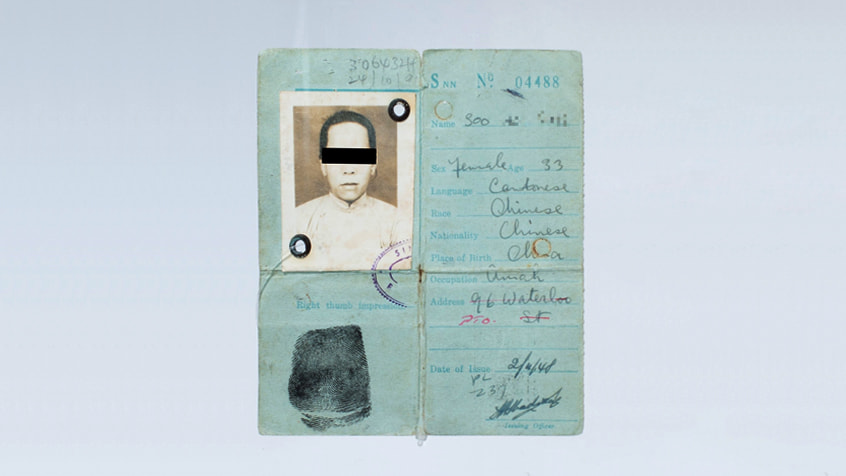
Blue paper identity card issued in 1948
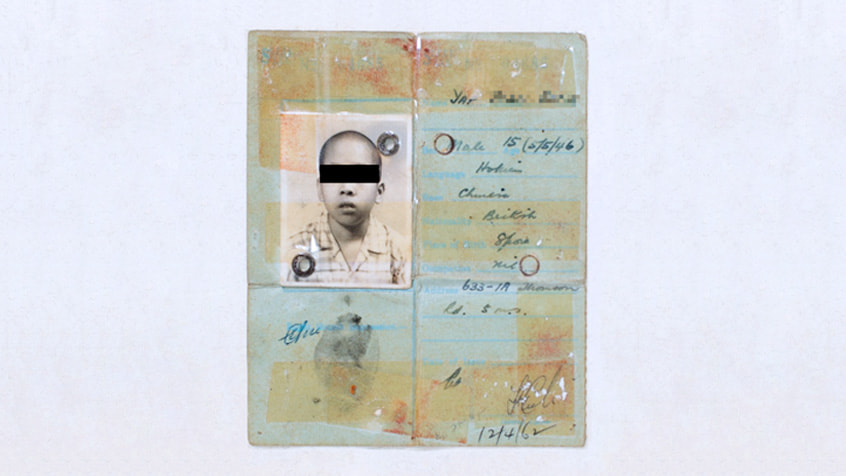
Boy, aged 15, was the holder of this blue paper identity card
Changes in the law made it compulsory for parents and guardians to register the child's name within 12 months of the date of birth to facilitate the creation of identity cards when the child turned 12 years old. Clerks from the Registration Department were sent out daily with the Post Office Mobile Vans to assist the rural public on identity card matters.
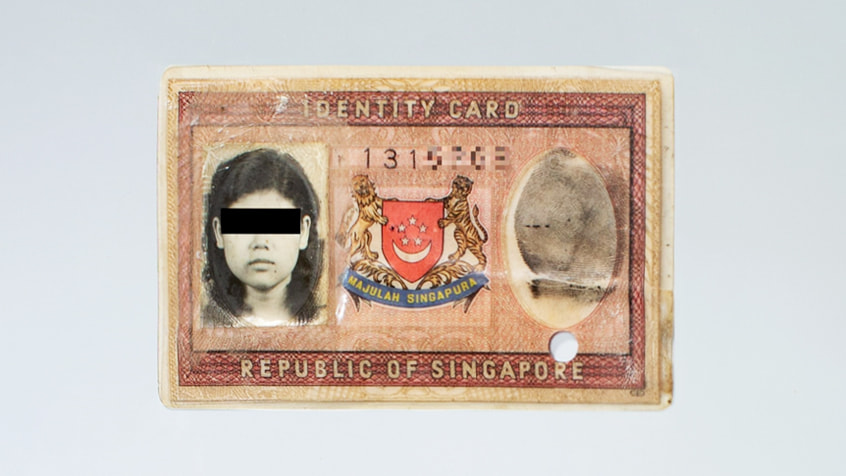
This German-made version of the IC was laminated to prevent illegal modification of photo and particulars. Serial numbers, consisting of seven numerals and a letter of the alphabet, were now unique to each holder, remedying earlier security weaknesses. The first IC number, S0000001/I, was issued to Singapore’s first President, the late Mr Yusof Ishak.
The National Registration Regulations were amended in 1969. It then legislated colour differentiation for ICs held by citizens and non-citizens.
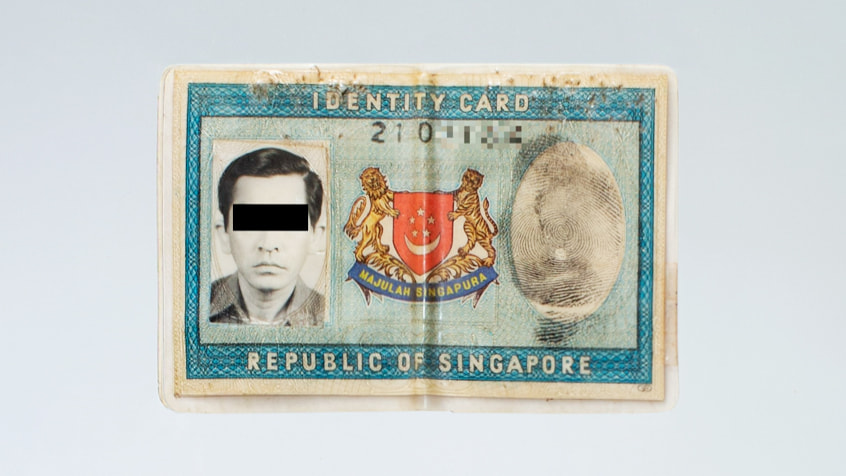
This German-made version of the IC was laminated to prevent illegal modification of photo and particulars. Serial numbers, consisting of seven numerals and a letter of the alphabet, were now unique to each holder, remedying earlier security weaknesses. The first IC number, S0000001/I, was issued to Singapore’s first President, the late Mr Yusof Ishak.
The National Registration Regulations were amended in 1969. It then legislated colour differentiation for ICs held by citizens and non-citizens.
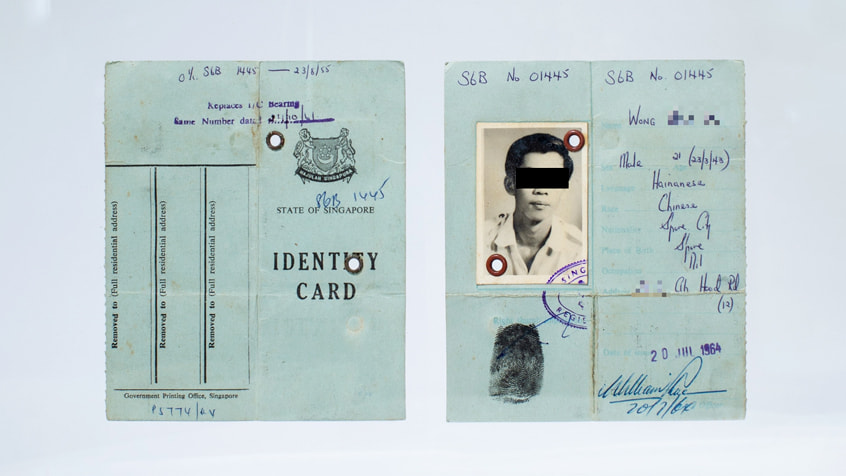
Blue paper identity card issued in 1964
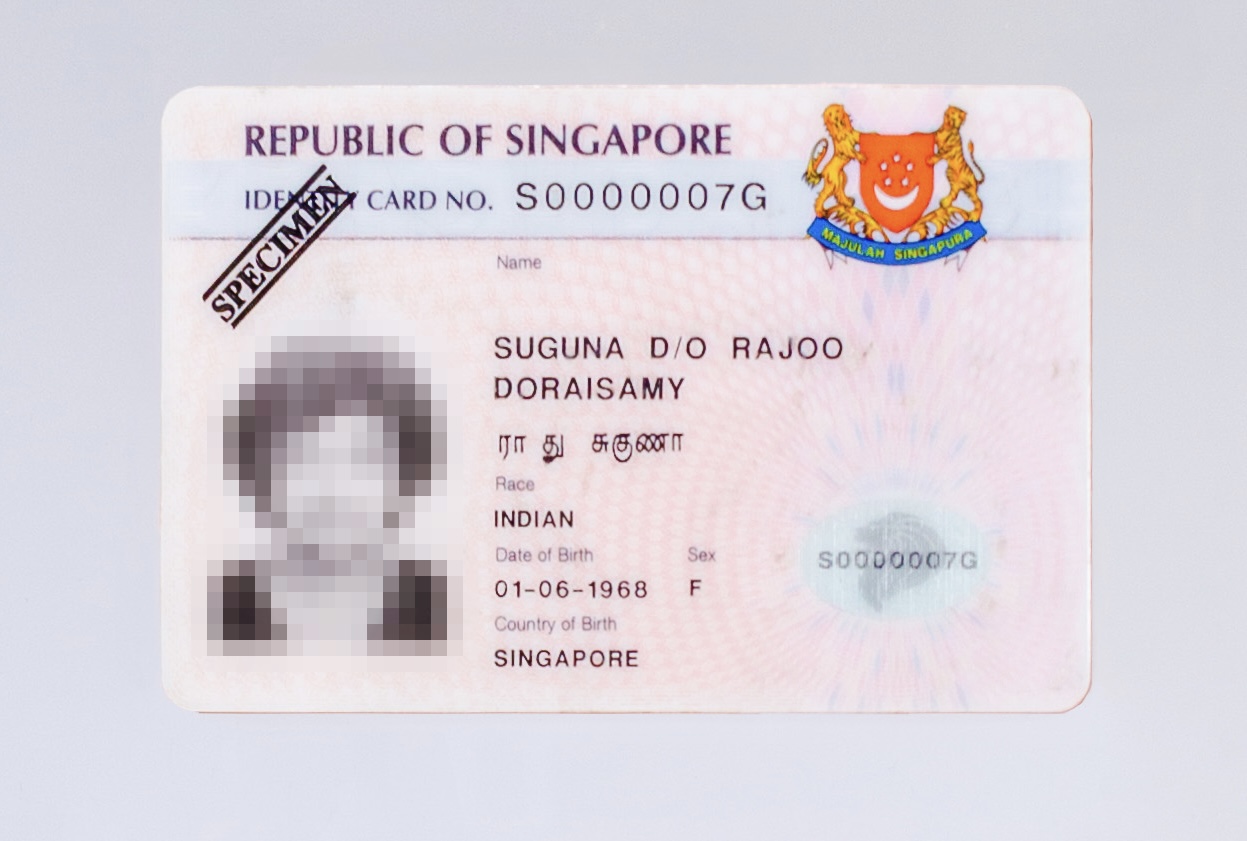
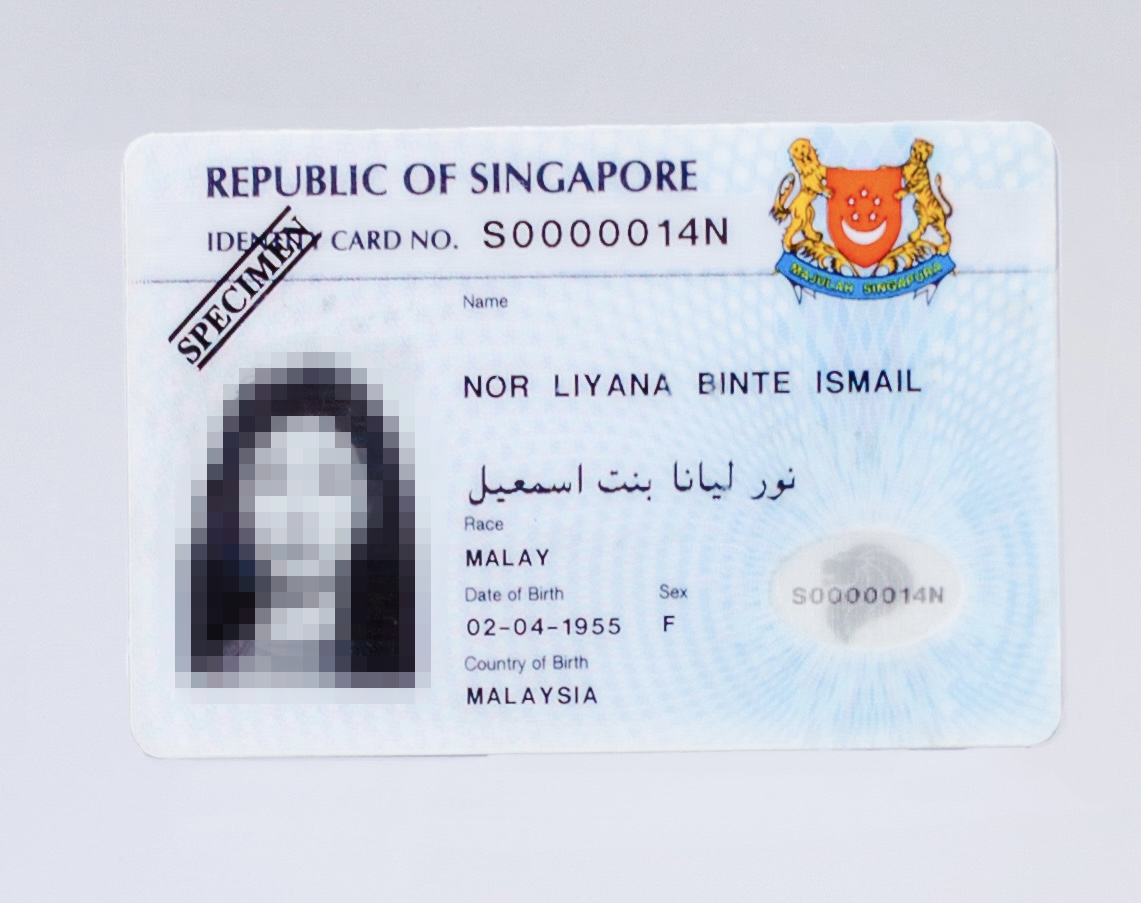
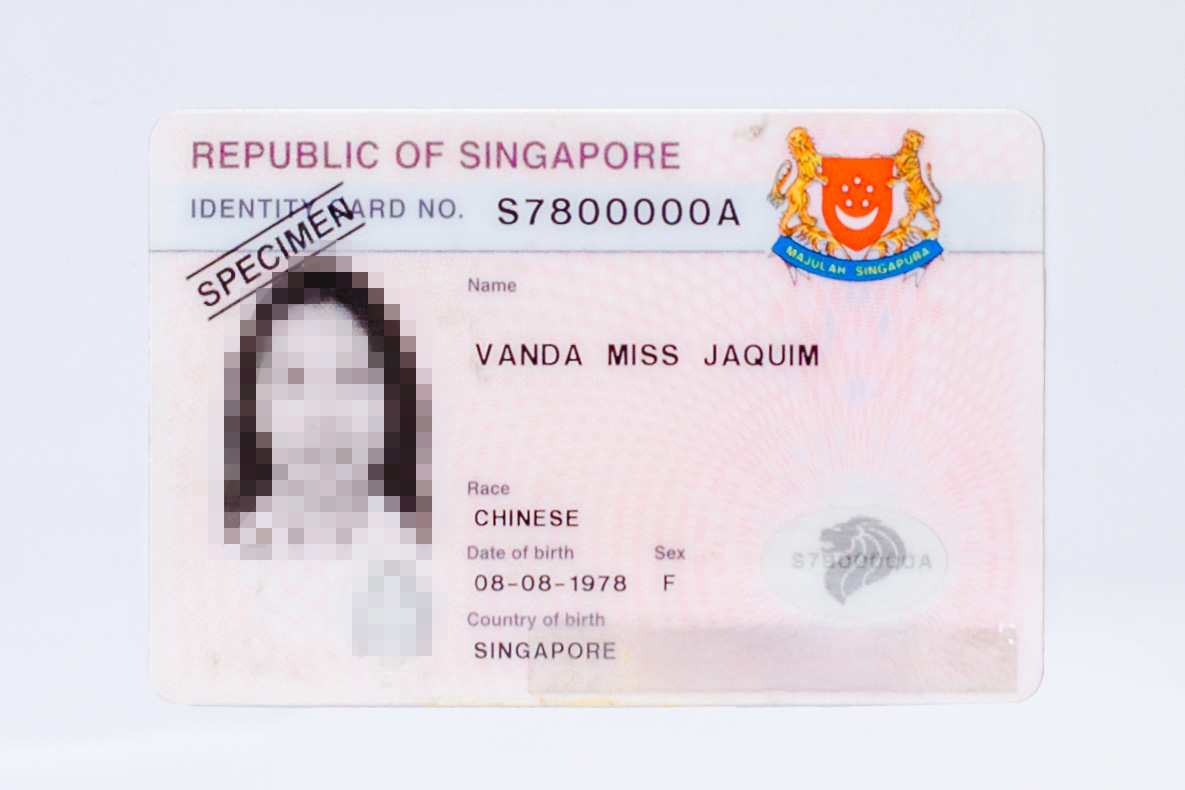
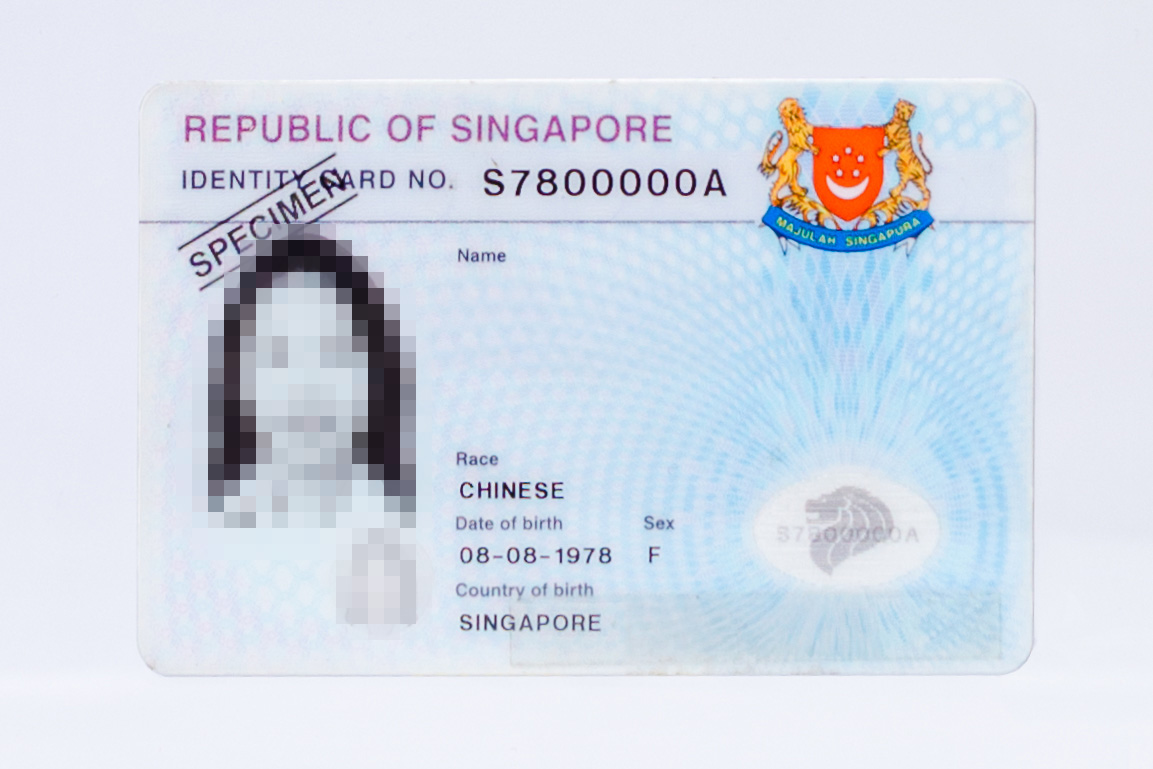
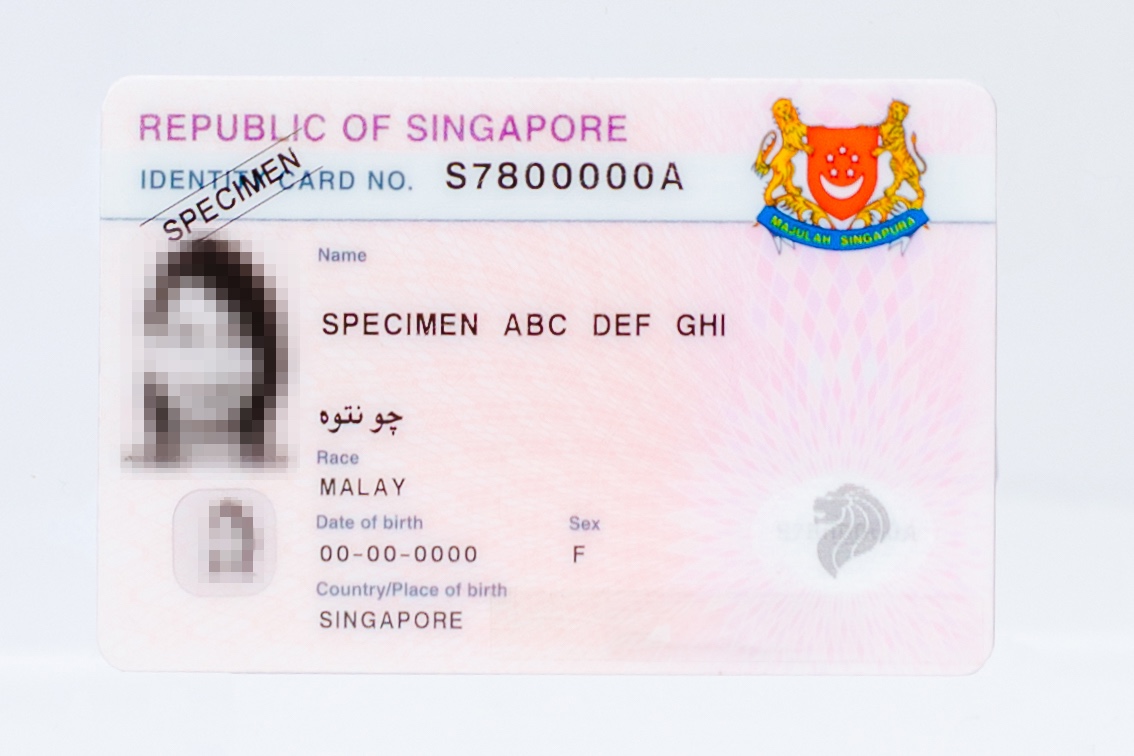
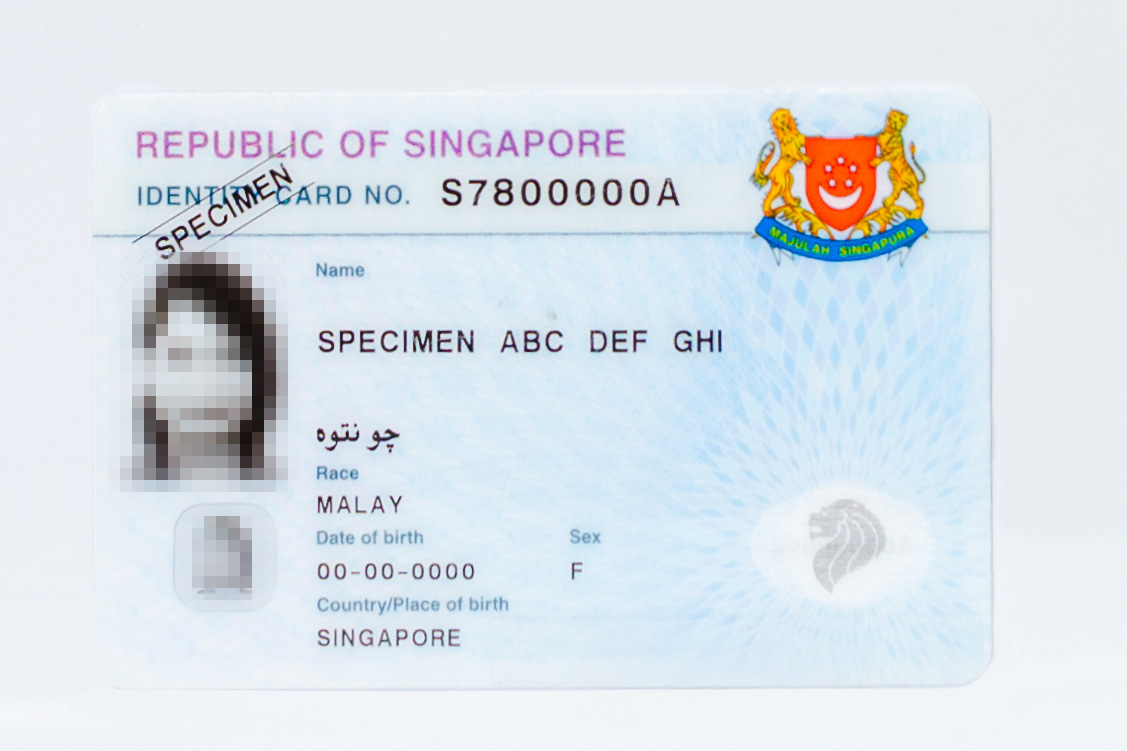
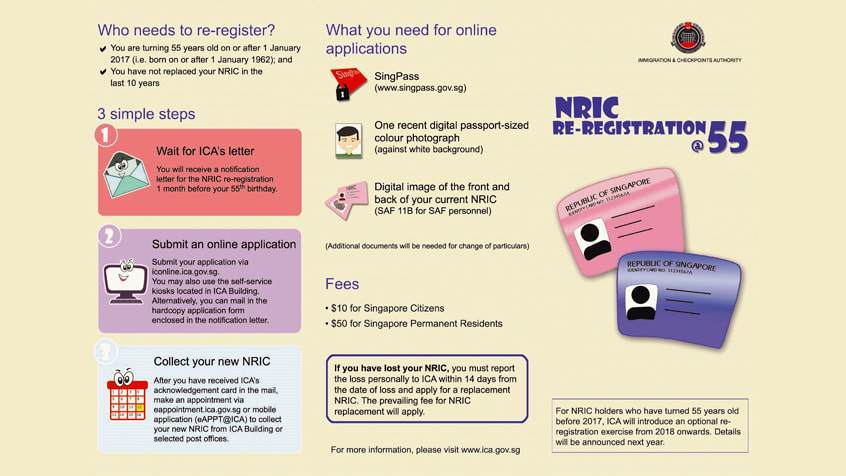
Re-registration at age 55 years allows for data such as photos to be updated. Outdated photos may cause difficulties in identification, particularly for the elderly. Besides possible inconvenience to the IC holders, this may also lead to security risks as the authorities may not be able to correctly identify an individual based on his photograph.
Evolution of Birth and Death Registration
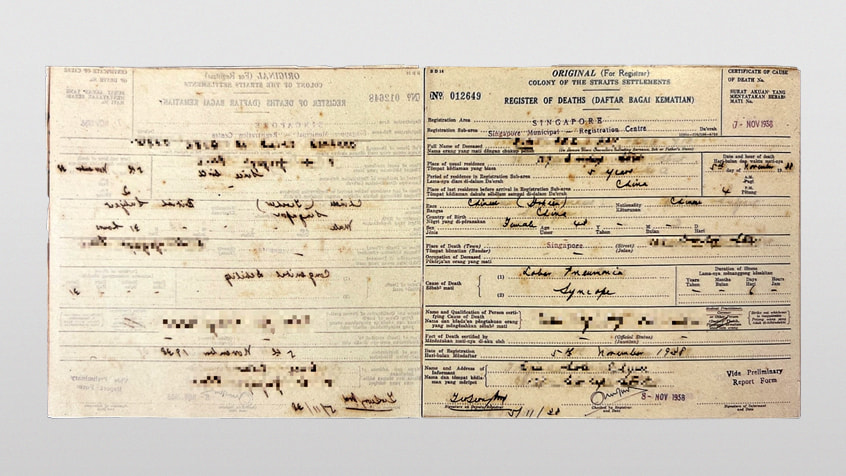
A record from the Register of Deaths in 1938
This was a move away from the 1868 Births and Deaths Registration Ordinance that was not well-enforced.
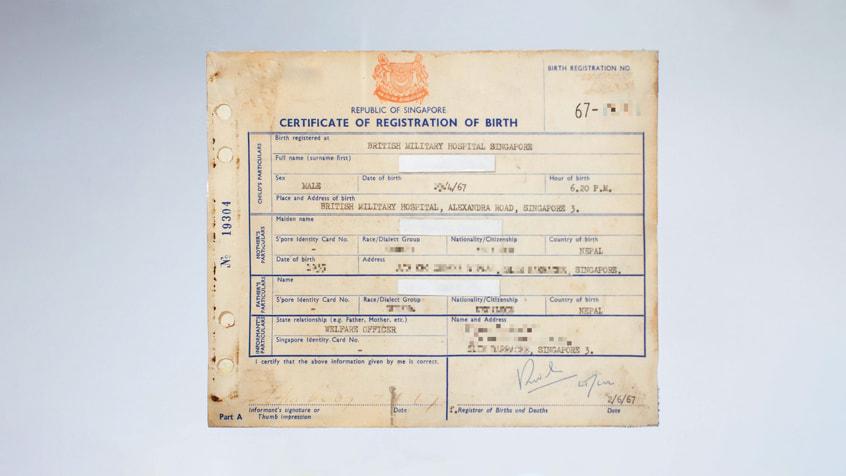
Birth Certificate - 1967
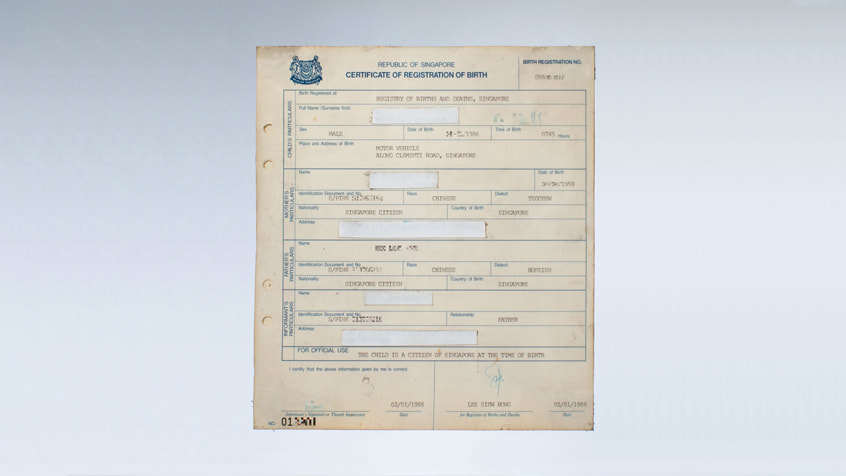
Birth Certificate - 1986
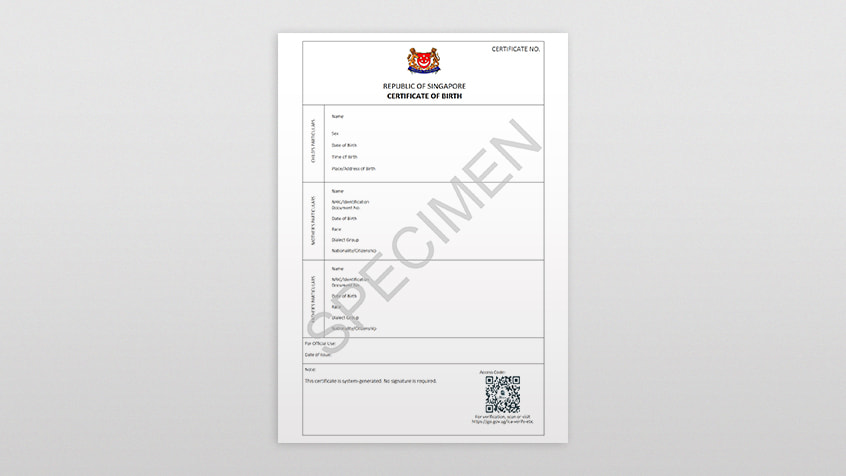
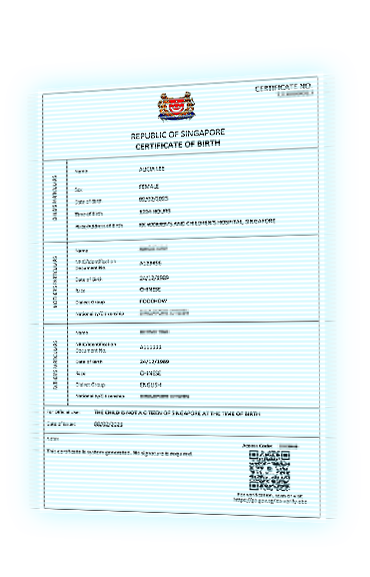
Digital Birth Certificate - 2022
From 29 May, the birth and death registration processes are made simpler, and digital birth and death certificates are issued in place of physical certificates. This is part of the Government's ongoing effort to streamline and digitalise services to serve citizens better. Parents of newborns and next-of-kin of the deceased are able to conveniently download and store the digital certificates on their personal mobile devices.
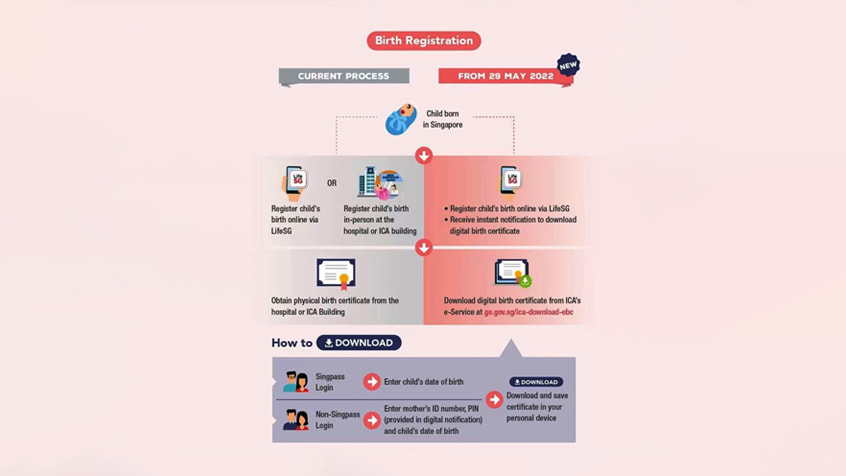
Changes in Birth Registration process
From 29 May, the birth and death registration processes are made simpler, and digital birth and death certificates are issued in place of physical certificates. This is part of the Government's ongoing effort to streamline and digitalise services to serve citizens better. Parents of newborns and next-of-kin of the deceased are able to conveniently download and store the digital certificates on their personal mobile devices.
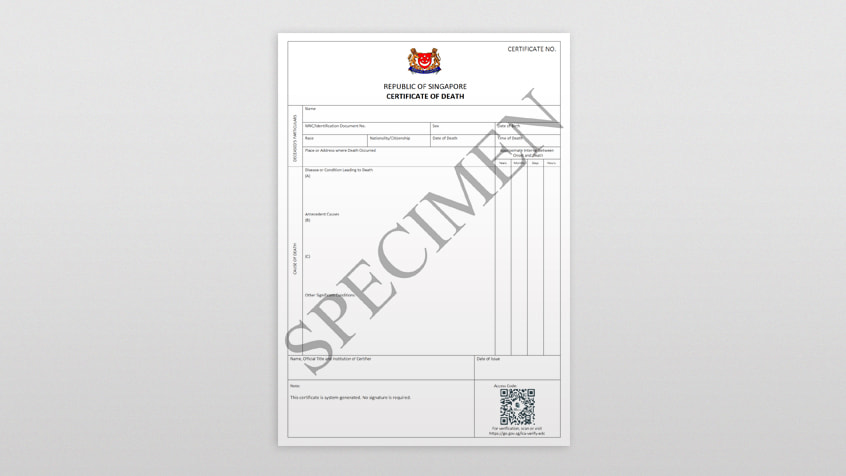
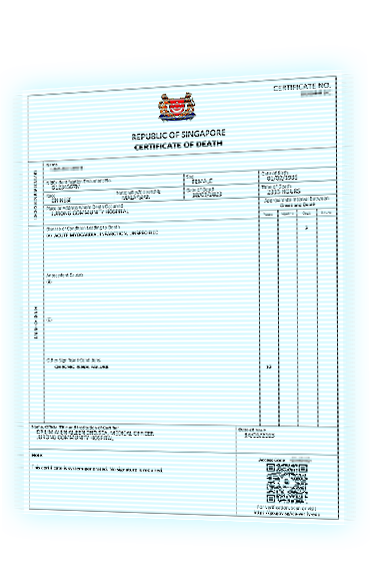
Digital Death Certificate - 2022
From 29 May, the birth and death registration processes are made simpler, and digital birth and death certificates are issued in place of physical certificates. This is part of the Government's ongoing effort to streamline and digitalise services to serve citizens better. Parents of newborns and next-of-kin of the deceased are able to conveniently download and store the digital certificates on their personal mobile devices.
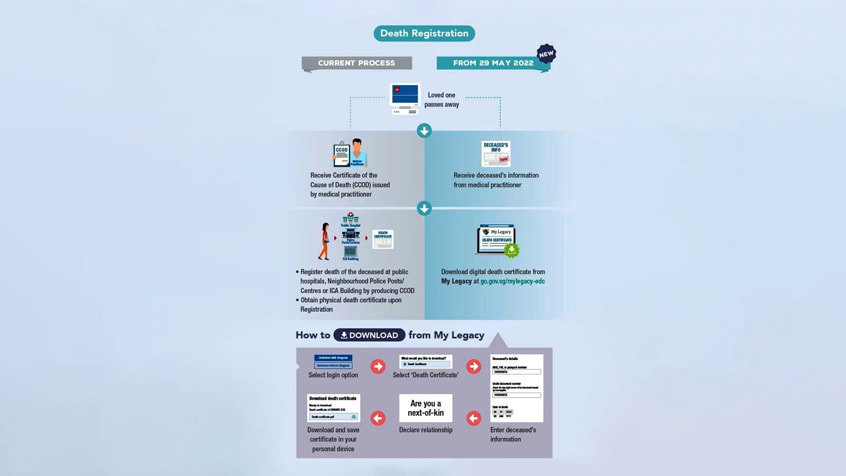
Changes in Death Registration process
From 29 May, the birth and death registration processes are made simpler, and digital birth and death certificates are issued in place of physical certificates. This is part of the Government's ongoing effort to streamline and digitalise services to serve citizens better. Parents of newborns and next-of-kin of the deceased are able to conveniently download and store the digital certificates on their personal mobile devices.
Evolution of Technology & Systems
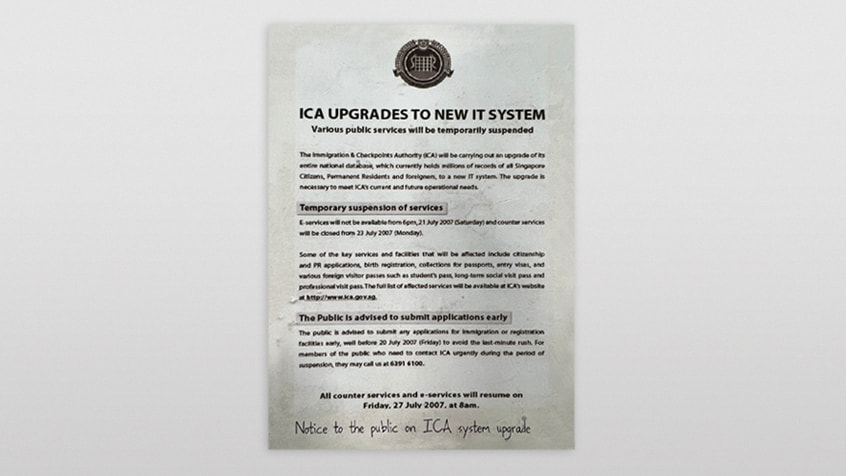
Notice to the public on ICA system upgrade
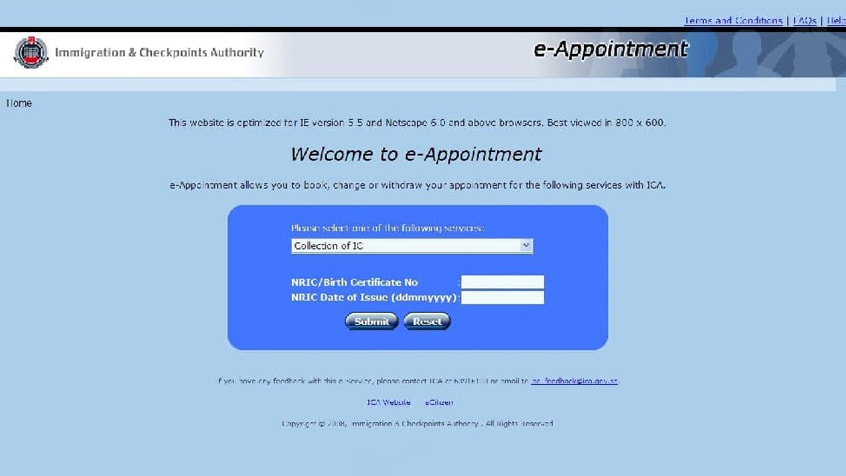
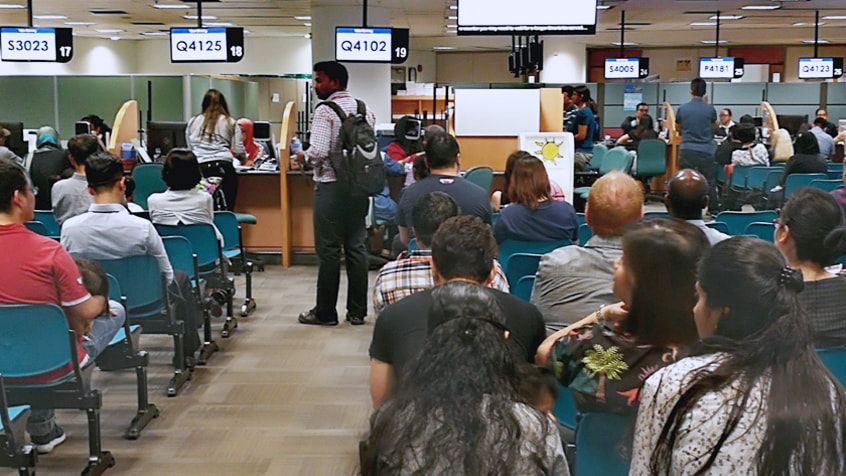
Before the introduction of e-PR system
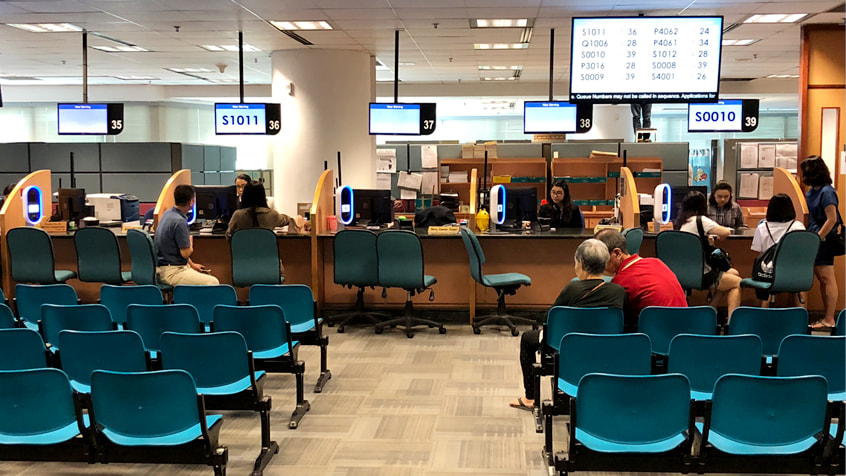
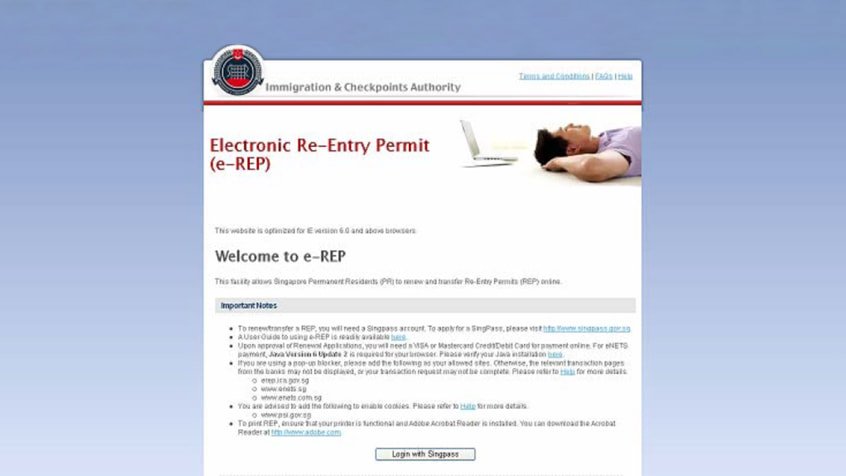
After the introduction of e-PR system
From 29 May, the birth and death registration processes are made simpler, and digital birth and death certificates are issued in place of physical certificates. This is part of the Government's ongoing effort to streamline and digitalise services to serve citizens better. Parents of newborns and next-of-kin of the deceased are able to conveniently download and store the digital certificates on their personal mobile devices.
From 29 May, the birth and death registration processes are made simpler, and digital birth and death certificates are issued in place of physical certificates. This is part of the Government's ongoing effort to streamline and digitalise services to serve citizens better. Parents of newborns and next-of-kin of the deceased are able to conveniently download and store the digital certificates on their personal mobile devices.
From 29 May, the birth and death registration processes are made simpler, and digital birth and death certificates are issued in place of physical certificates. This is part of the Government's ongoing effort to streamline and digitalise services to serve citizens better. Parents of newborns and next-of-kin of the deceased are able to conveniently download and store the digital certificates on their personal mobile devices.
From 29 May, the birth and death registration processes are made simpler, and digital birth and death certificates are issued in place of physical certificates. This is part of the Government's ongoing effort to streamline and digitalise services to serve citizens better. Parents of newborns and next-of-kin of the deceased are able to conveniently download and store the digital certificates on their personal mobile devices.
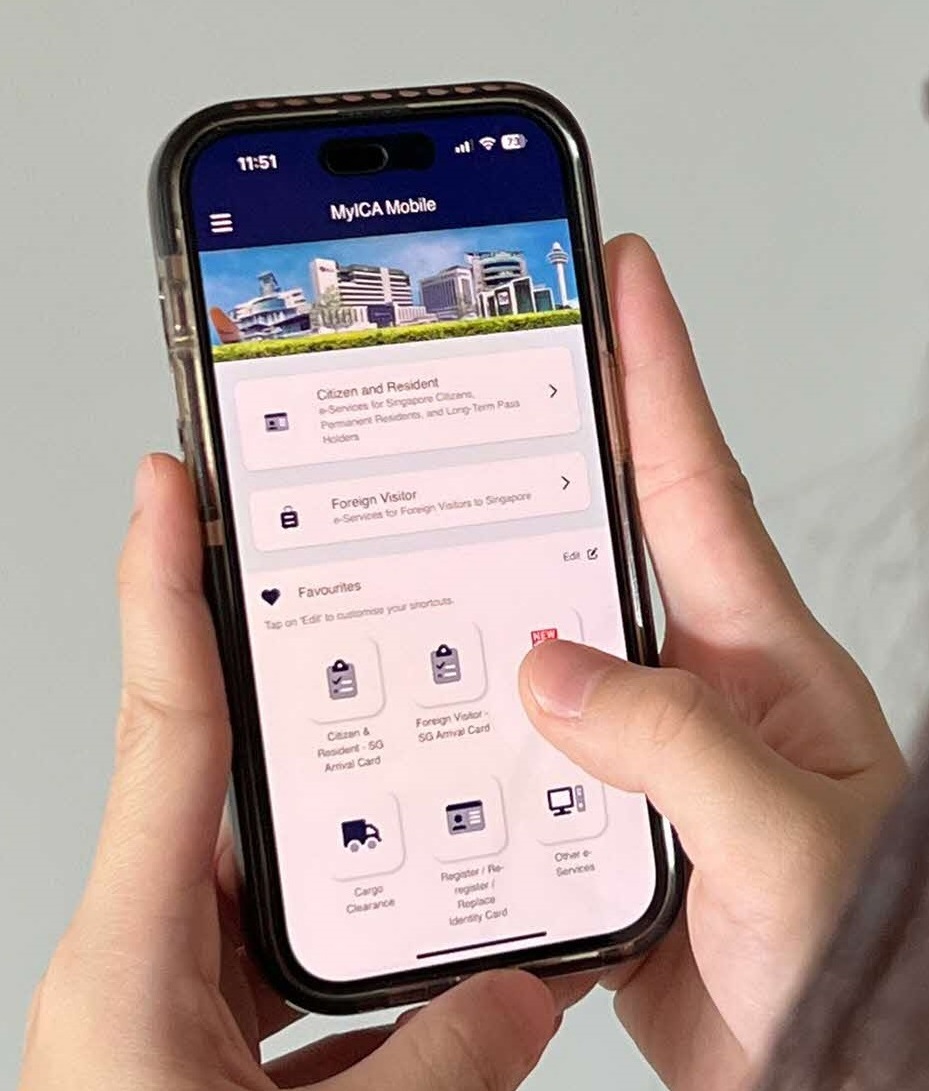
2023: Refresh of MyICA app
ICA refreshed its MyICA mobile application to enhance user experience while addressing diverse customer needs. Services on the MyICA mobile app include application for passports, submission of Singapore Arrival Card (SGAC), submission of cargo clearance permits and generation of QR codes for drivers at land checkpoints.
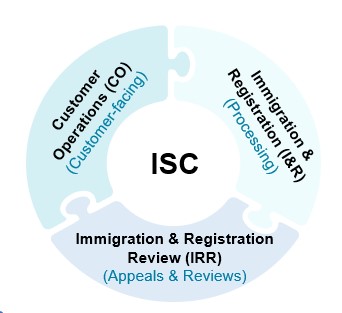
From three centres - Citizen Services, Permanent Residents Services and Visitor Services to three functions – Customer Operations, Immigration & Registration and Immigration & Registration Review
2023: Reorganisation of ICA Services Centres
Since 2023, the Services Centre has been actively reorganising its operations to transition from the current product-centric model to the envisaged function-centric model. By 2025, the new ICA Services Centre will offer the public a seamless experience for the members of public, providing easier access to multiple services through an integrated services centre.





Share this link via